
Finish Line Pledge
  • Home
  • Resources
    • Finish Line Readiness Tool
    • Finish Line Builder
    • Finish Line Calculator
    • 90 Day Pledge
  • Podcast
  • Advisors
    • Find an Advisor
    • Become an Advisor
    • Events
  • Applied Generosity
  • About
    • Blog
    • Team
    • Contact
  • Start Assessment
Select Page

Aspiring to the Median

giving-strategies
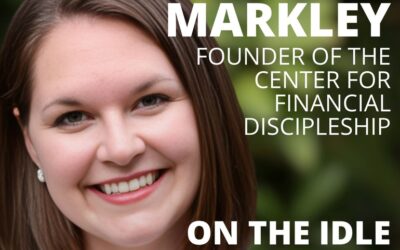
Courtney Markley, Cofounder of Financial Discipleship Center, on the Idle Wealth in Donor Advised Funds

Courtney Markley, Cofounder of Financial Discipleship Center, on the Idle Wealth in Donor Advised Funds

podcast

read more
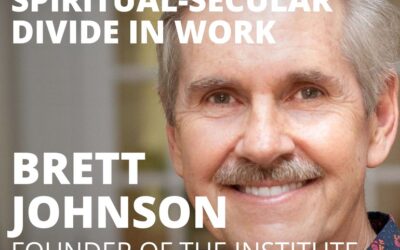
Brett Johnson, Founder of the Institute for Innovation, Integration & Impact, on Erasing the Spiritual-Secular Divide in Work
Brett Johnson, Founder of the Institute for Innovation, Integration & Impact, on Erasing the Spiritual-Secular Divide in Work

podcast

read more
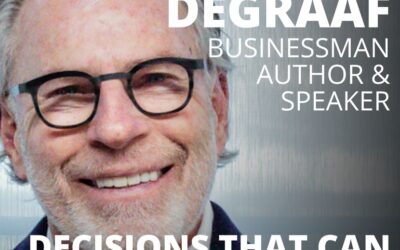
Clare DeGraaf, Businessman, on Decisions that can Change Your Life
Clare DeGraaf, Businessman, on Decisions that can Change Your Life

podcast

read more
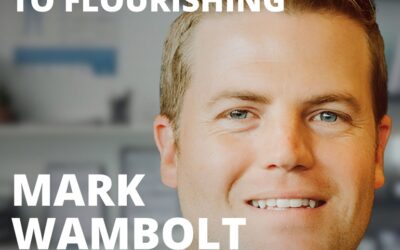
Mark Wambolt, Head of Strategic Partnerships at Eventide, on Investing the Leads to Flourishing
Mark Wambolt, Head of Strategic Partnerships at Eventide, on Investing the Leads to Flourishing

podcast

read more
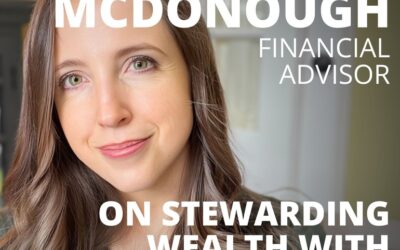
Rachel McDonough, Financial Advisor, on Stewarding Wealth with Head and Heart
Rachel McDonough, Financial Advisor, on Stewarding Wealth with Head and Heart

podcast

read more
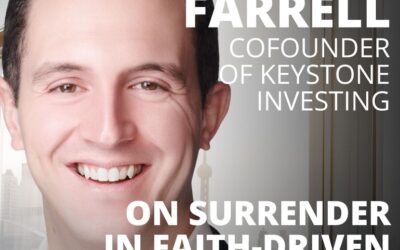
Patrick Farrell, Cofounder of Keystone Investing, on Surrender in Faith-Driven Investing

Patrick Farrell, Cofounder of Keystone Investing, on Surrender in Faith-Driven Investing

podcast

read more
James Lenhoff, President of Good Sense Movement, on Freedom Through Defining Enough

James Lenhoff, President of Good Sense Movement, on Freedom Through Defining Enough

podcast

read more
Teri Bledsoe, Board Chair of Women Doing Well, on Joyful Giving Through Suffering

Teri Bledsoe, Board Chair of Women Doing Well, on Joyful Giving Through Suffering

podcast

read more
Joe Daly, Business Owner, on Upside Down Generosity in Life and Business

Joe Daly, Business Owner, on Upside Down Generosity in Life and Business

podcast

read more
« Older Entries



The Finish Line Podcast

On The Finish Line Podcast, you’ll hear stories and strategies to make you a more joy-filled, intentional, and effective giver.

Listen Now


Regular updates to help you experience deeper joy, purpose, and freedom in your giving and finances

About

How Does It Work?
Core Beliefs
A New Paradigm
Meet The Team
Community
Contact

Links

Home
Calculator
SPRINT Program
The Pledge
Podcast
Blog

Our Mission

To encounter God more personally, to radically impact our communities, and to bring the gospel to the world.

How?

We choose an objective finish line for our spending and give the rest away. And we help others do the same.

Is receiving a gift sometimes harder than giving o Is receiving a gift sometimes harder than giving one?When Joe Daly was a young college student, a successful business owner invited him to lunch and offered to pay. Joe declined. He wanted to show that he could cover his own meal.The man asked how Joe would feel if he tried to give someone a gift and they refused it. Joe understood immediately.Years earlier, Joe had experienced the delight of receiving a golf club his parents had chosen with care. Now he was beginning to see the other side: generosity requires someone who is willing to receive.That doesn't mean every offered gift must be accepted. It does invite you to examine why receiving can feel uncomfortable. Independence is a good thing; pride can quietly disguise itself as independence.Think about the last time someone offered help, encouragement, or an unexpected kindness. Did you receive it freely?Who might you allow the joy of giving to you this week?
“But what's kept in the dark grows on us. The fear “But what's kept in the dark grows on us. The fear grows, the greed grows.”Financial advisor Mary Helen Klingen made this observation while talking about the money conversations people often avoid, even at church.It's possible to discuss budgets and giving without admitting that fear, comparison, or a need for control is shaping the decisions underneath. Silence can make those worries feel normal, even inevitable.Mary Helen wasn't calling for public disclosure of everyone's finances. She was pointing toward honest conversation and the kind of fellowship that makes change possible.You don't have to share your bank balance with a room full of people. But an honest conversation with someone trustworthy may help you see what's been carrying more weight than it should.Maybe the next step isn't changing a number. Maybe it's naming the fear behind the number.Who could you talk with honestly about money this week?
"Saving for me has shifted from preparing for my f "Saving for me has shifted from preparing for my future security to preparing for my future obedience."James Lenhoff isn't arguing against saving. He's reframing what savings are for. A reserve can serve wise responsibilities and future needs without becoming the place your trust lives.When security becomes savings' only purpose, "enough" keeps moving. When stewardship becomes the purpose, the question changes: What might God ask you to do with what has been entrusted to you?That shift doesn't give you a universal savings number or remove the need for planning. It makes the Owner part of the plan.Consider one account or financial goal you are building. Alongside the practical purpose, write one faithful "yes" it could make possible: helping family, responding to a need, taking a less lucrative calling, or giving when an opportunity appears.Are you only preparing for uncertainty, or also preparing for obedience?
How do you teach a child to see people rather than How do you teach a child to see people rather than projects?During a visit to a village in Zambia, Alisa Hoober watched her three-year-old daughter, Caroline, meet another child her age. The girls didn't speak the same language. They figured out they were both three, became fast friends, and walked hand in hand as the adults visited homes and businesses.Alisa saw more than a sweet childhood moment. She saw a picture of the kind of partnership she hoped her children would learn: walking alongside people rather than only offering help from a distance.A child didn't need an explanation of international development to recognize a friend.If you give to causes far from home, the people behind those causes can feel abstract. And if you serve locally, it's possible to focus on solving a problem without really knowing a neighbor.Where could you make room to listen, learn a name, and walk alongside someone this week?
Can a financial boundary meant to bring freedom be Can a financial boundary meant to bring freedom become too rigid?In Episode 200, Kealan shares a moment when his family's spending finish line was working against its purpose. His wife, Alison, noticed she was weighing whether to delay recommended medical care so its cost would fall in a different month.They had created a guardrail for lifestyle spending, not a reason to hesitate over caring for family. After talking, they adjusted their approach: ordinary living expenses still had a finish line, but health care was handled separately.The lesson isn't that boundaries are bad. It's that a useful tool should be responsive to the people it's meant to serve.You can be disciplined without treating a number as sacred. Sometimes responsible stewardship means keeping your convictions while changing the mechanism.Where might a well-intended financial rule need another conversation in your household?
What would remain of your identity if your meaning What would remain of your identity if your meaningful work stopped tomorrow?After years leading Mercy House Global, Kristen Welch found herself exhausted and increasingly dependent on the organization that depended on her. She took a 110-day sabbatical.During a walk in the woods, she wrestled with who she was without tasks to complete or people needing her. She describes being reminded that she was God's child before she was a ministry leader.There is a particular temptation in work that matters: to mistake being useful for being loved.Your service can be a beautiful response to God's love. It was never meant to earn it.Where in your life has being needed started to feel necessary to being enough?
A spreadsheet would have suggested a trade-in. Kr A spreadsheet would have suggested a trade-in.Kristin Hammett and her husband were replacing a minivan. Instead of applying its trade-in value toward their next vehicle, they had it serviced and detailed, then gave it to a family.Years later, Kristin still remembered that decision—not because it saved money, but because it brought joy.In episode 174 of The Finish Line Podcast, she challenges the assumption that a generous choice is only worthwhile when it produces the most financially efficient result. Wise stewardship matters. So does the freedom to give something valuable without expecting a financial return.This week, consider one practical gift that might not maximize your resources on paper but could be a meaningful blessing to someone else. It doesn't have to be large.What could you give simply because someone needs it?
A generous gift can still leave the people involve A generous gift can still leave the people involved feeling distant.In episode 189, Joanna Hogan challenges a habit that can creep into relationships between givers and ministry leaders:“If you want this to not be transactional, then you can't be transactional.”Her point reaches both sides. Real partnership grows when you listen to the story behind the work, ask about the hard parts, and stay interested beyond the next gift.If you support a ministry, your curiosity may be as encouraging as your contribution. And if you lead one, learning what matters to a giver can change the tone of the invitation.Who could you approach this week with a genuine question, instead of an agenda?
Could a well-intentioned gift become a burden? He Could a well-intentioned gift become a burden?Heather Larson tells a story about a donor who wanted children at a residential ministry to experience the joy of a swimming pool. The gift was generous. But the pool didn't fit the local context. Lessons and safety were difficult to manage, maintenance was expensive, and the organization eventually drained it.Later, another donor asked more questions. Working with the organization, that donor helped transform the unused pool into a tilapia pond that could generate income and better serve the community.Same space. Very different kind of help.Before deciding what someone needs, try asking a few questions: What would be genuinely useful? What will it cost to maintain? Who will carry that responsibility after the gift is made?Generosity involves more than willingness to give. It also involves the humility to let others tell you what would actually help.Where might listening first change the kind of gift you offer?
Is receiving a gift sometimes harder than giving o Is receiving a gift sometimes harder than giving one?When Joe Daly was a young college student, a successful business owner invited him to lunch and offered to pay. Joe declined. He wanted to show that he could cover his own meal.The man asked how Joe would feel if he tried to give someone a gift and they refused it. Joe understood immediately.Years earlier, Joe had experienced the delight of receiving a golf club his parents had chosen with care. Now he was beginning to see the other side: generosity requires someone who is willing to receive.That doesn't mean every offered gift must be accepted. It does invite you to examine why receiving can feel uncomfortable. Independence is a good thing; pride can quietly disguise itself as independence.Think about the last time someone offered help, encouragement, or an unexpected kindness. Did you receive it freely?Who might you allow the joy of giving to you this week?
“But what's kept in the dark grows on us. The fear “But what's kept in the dark grows on us. The fear grows, the greed grows.”Financial advisor Mary Helen Klingen made this observation while talking about the money conversations people often avoid, even at church.It's possible to discuss budgets and giving without admitting that fear, comparison, or a need for control is shaping the decisions underneath. Silence can make those worries feel normal, even inevitable.Mary Helen wasn't calling for public disclosure of everyone's finances. She was pointing toward honest conversation and the kind of fellowship that makes change possible.You don't have to share your bank balance with a room full of people. But an honest conversation with someone trustworthy may help you see what's been carrying more weight than it should.Maybe the next step isn't changing a number. Maybe it's naming the fear behind the number.Who could you talk with honestly about money this week?
"Saving for me has shifted from preparing for my f "Saving for me has shifted from preparing for my future security to preparing for my future obedience."James Lenhoff isn't arguing against saving. He's reframing what savings are for. A reserve can serve wise responsibilities and future needs without becoming the place your trust lives.When security becomes savings' only purpose, "enough" keeps moving. When stewardship becomes the purpose, the question changes: What might God ask you to do with what has been entrusted to you?That shift doesn't give you a universal savings number or remove the need for planning. It makes the Owner part of the plan.Consider one account or financial goal you are building. Alongside the practical purpose, write one faithful "yes" it could make possible: helping family, responding to a need, taking a less lucrative calling, or giving when an opportunity appears.Are you only preparing for uncertainty, or also preparing for obedience?
How do you teach a child to see people rather than How do you teach a child to see people rather than projects?During a visit to a village in Zambia, Alisa Hoober watched her three-year-old daughter, Caroline, meet another child her age. The girls didn't speak the same language. They figured out they were both three, became fast friends, and walked hand in hand as the adults visited homes and businesses.Alisa saw more than a sweet childhood moment. She saw a picture of the kind of partnership she hoped her children would learn: walking alongside people rather than only offering help from a distance.A child didn't need an explanation of international development to recognize a friend.If you give to causes far from home, the people behind those causes can feel abstract. And if you serve locally, it's possible to focus on solving a problem without really knowing a neighbor.Where could you make room to listen, learn a name, and walk alongside someone this week?
Can a financial boundary meant to bring freedom be Can a financial boundary meant to bring freedom become too rigid?In Episode 200, Kealan shares a moment when his family's spending finish line was working against its purpose. His wife, Alison, noticed she was weighing whether to delay recommended medical care so its cost would fall in a different month.They had created a guardrail for lifestyle spending, not a reason to hesitate over caring for family. After talking, they adjusted their approach: ordinary living expenses still had a finish line, but health care was handled separately.The lesson isn't that boundaries are bad. It's that a useful tool should be responsive to the people it's meant to serve.You can be disciplined without treating a number as sacred. Sometimes responsible stewardship means keeping your convictions while changing the mechanism.Where might a well-intended financial rule need another conversation in your household?
What would remain of your identity if your meaning What would remain of your identity if your meaningful work stopped tomorrow?After years leading Mercy House Global, Kristen Welch found herself exhausted and increasingly dependent on the organization that depended on her. She took a 110-day sabbatical.During a walk in the woods, she wrestled with who she was without tasks to complete or people needing her. She describes being reminded that she was God's child before she was a ministry leader.There is a particular temptation in work that matters: to mistake being useful for being loved.Your service can be a beautiful response to God's love. It was never meant to earn it.Where in your life has being needed started to feel necessary to being enough?
A spreadsheet would have suggested a trade-in. Kr A spreadsheet would have suggested a trade-in.Kristin Hammett and her husband were replacing a minivan. Instead of applying its trade-in value toward their next vehicle, they had it serviced and detailed, then gave it to a family.Years later, Kristin still remembered that decision—not because it saved money, but because it brought joy.In episode 174 of The Finish Line Podcast, she challenges the assumption that a generous choice is only worthwhile when it produces the most financially efficient result. Wise stewardship matters. So does the freedom to give something valuable without expecting a financial return.This week, consider one practical gift that might not maximize your resources on paper but could be a meaningful blessing to someone else. It doesn't have to be large.What could you give simply because someone needs it?
Is receiving a gift sometimes harder than giving o Is receiving a gift sometimes harder than giving one?When Joe Daly was a young college student, a successful business owner invited him to lunch and offered to pay. Joe declined. He wanted to show that he could cover his own meal.The man asked how Joe would feel if he tried to give someone a gift and they refused it. Joe understood immediately.Years earlier, Joe had experienced the delight of receiving a golf club his parents had chosen with care. Now he was beginning to see the other side: generosity requires someone who is willing to receive.That doesn't mean every offered gift must be accepted. It does invite you to examine why receiving can feel uncomfortable. Independence is a good thing; pride can quietly disguise itself as independence.Think about the last time someone offered help, encouragement, or an unexpected kindness. Did you receive it freely?Who might you allow the joy of giving to you this week?
“But what's kept in the dark grows on us. The fear “But what's kept in the dark grows on us. The fear grows, the greed grows.”Financial advisor Mary Helen Klingen made this observation while talking about the money conversations people often avoid, even at church.It's possible to discuss budgets and giving without admitting that fear, comparison, or a need for control is shaping the decisions underneath. Silence can make those worries feel normal, even inevitable.Mary Helen wasn't calling for public disclosure of everyone's finances. She was pointing toward honest conversation and the kind of fellowship that makes change possible.You don't have to share your bank balance with a room full of people. But an honest conversation with someone trustworthy may help you see what's been carrying more weight than it should.Maybe the next step isn't changing a number. Maybe it's naming the fear behind the number.Who could you talk with honestly about money this week?
"Saving for me has shifted from preparing for my f "Saving for me has shifted from preparing for my future security to preparing for my future obedience."James Lenhoff isn't arguing against saving. He's reframing what savings are for. A reserve can serve wise responsibilities and future needs without becoming the place your trust lives.When security becomes savings' only purpose, "enough" keeps moving. When stewardship becomes the purpose, the question changes: What might God ask you to do with what has been entrusted to you?That shift doesn't give you a universal savings number or remove the need for planning. It makes the Owner part of the plan.Consider one account or financial goal you are building. Alongside the practical purpose, write one faithful "yes" it could make possible: helping family, responding to a need, taking a less lucrative calling, or giving when an opportunity appears.Are you only preparing for uncertainty, or also preparing for obedience?
How do you teach a child to see people rather than How do you teach a child to see people rather than projects?During a visit to a village in Zambia, Alisa Hoober watched her three-year-old daughter, Caroline, meet another child her age. The girls didn't speak the same language. They figured out they were both three, became fast friends, and walked hand in hand as the adults visited homes and businesses.Alisa saw more than a sweet childhood moment. She saw a picture of the kind of partnership she hoped her children would learn: walking alongside people rather than only offering help from a distance.A child didn't need an explanation of international development to recognize a friend.If you give to causes far from home, the people behind those causes can feel abstract. And if you serve locally, it's possible to focus on solving a problem without really knowing a neighbor.Where could you make room to listen, learn a name, and walk alongside someone this week?
Copyright © 2026 Finish Line Pledge


Copyright © 2026 Finish Line Pledge